Biography:
Luna Kai is a multidisciplinary artist working across performance-based painting and film. Kai holds a Bachelor’s degree in Musical Theater and has a background in the entertainment industry as a writer, actor, and producer.
Kai’s practice engages questions of authorship, commodification, and embodied labor through performative processes that position the body as both instrument and site of inscription. Using direct bodily imprint as medium, the work investigates how identity, visibility, and value are constructed within contemporary visual and cultural economies. Kai’s work operates at the intersection of performance and painting, exploring tension between concealment and exposure, agency and objectification, and the systems through which meaning is assigned to both bodies and images. Lived experience, including surviving serious illness, informs an ongoing inquiry into impermanence, perception, and the fragility of physical form.
Exhibitions & Art Fairs:
Collaborated with various contemporary art galleries and platforms internationally. Currently represented by Makowski Gallery NYC.
Statement:
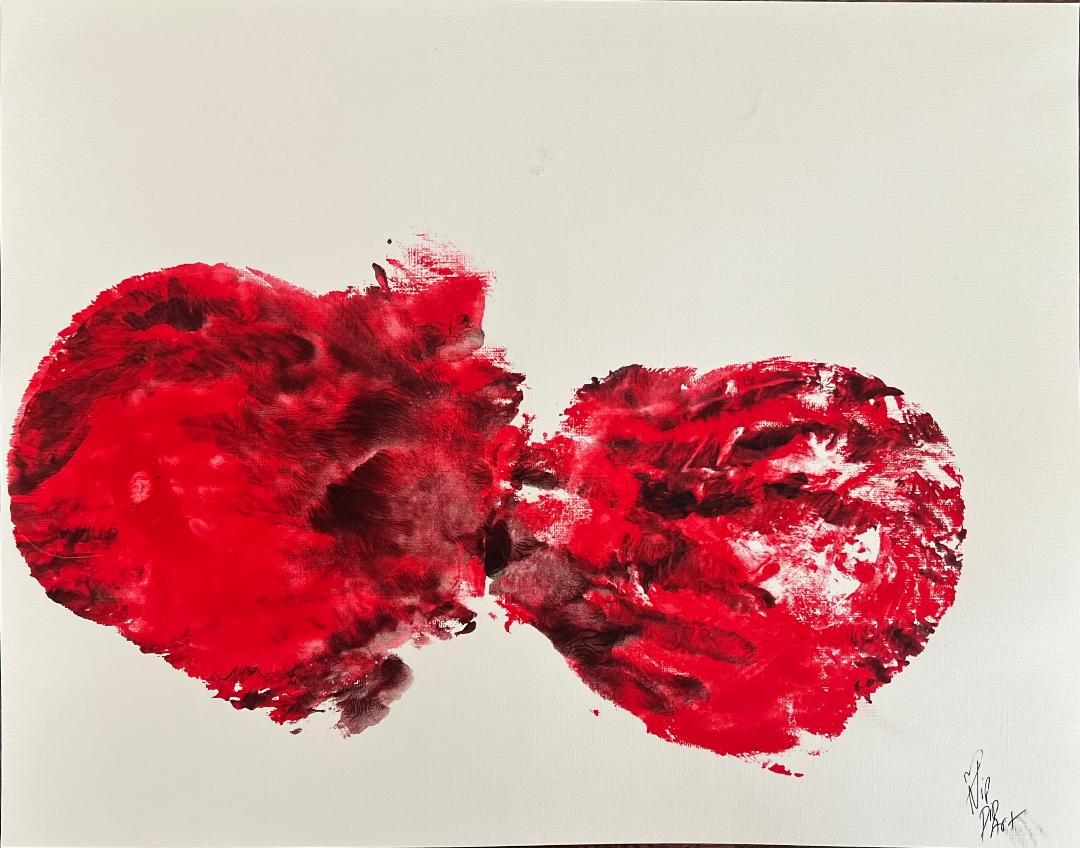
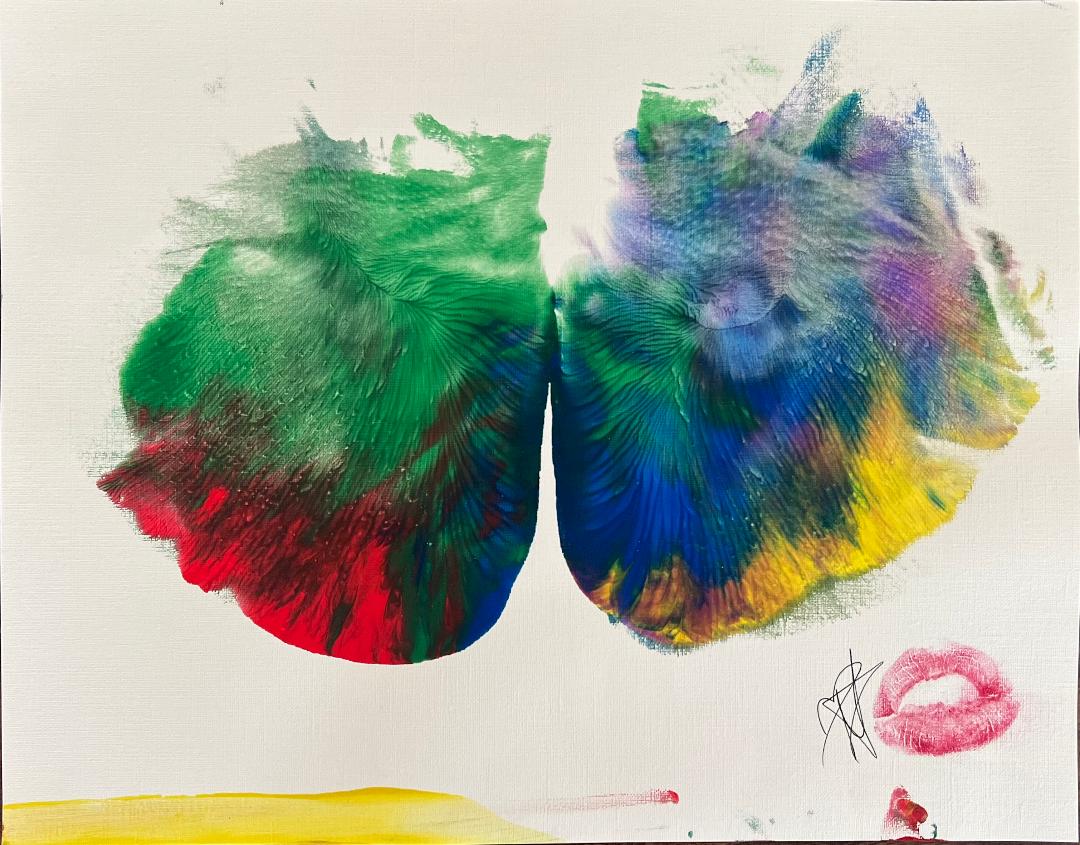
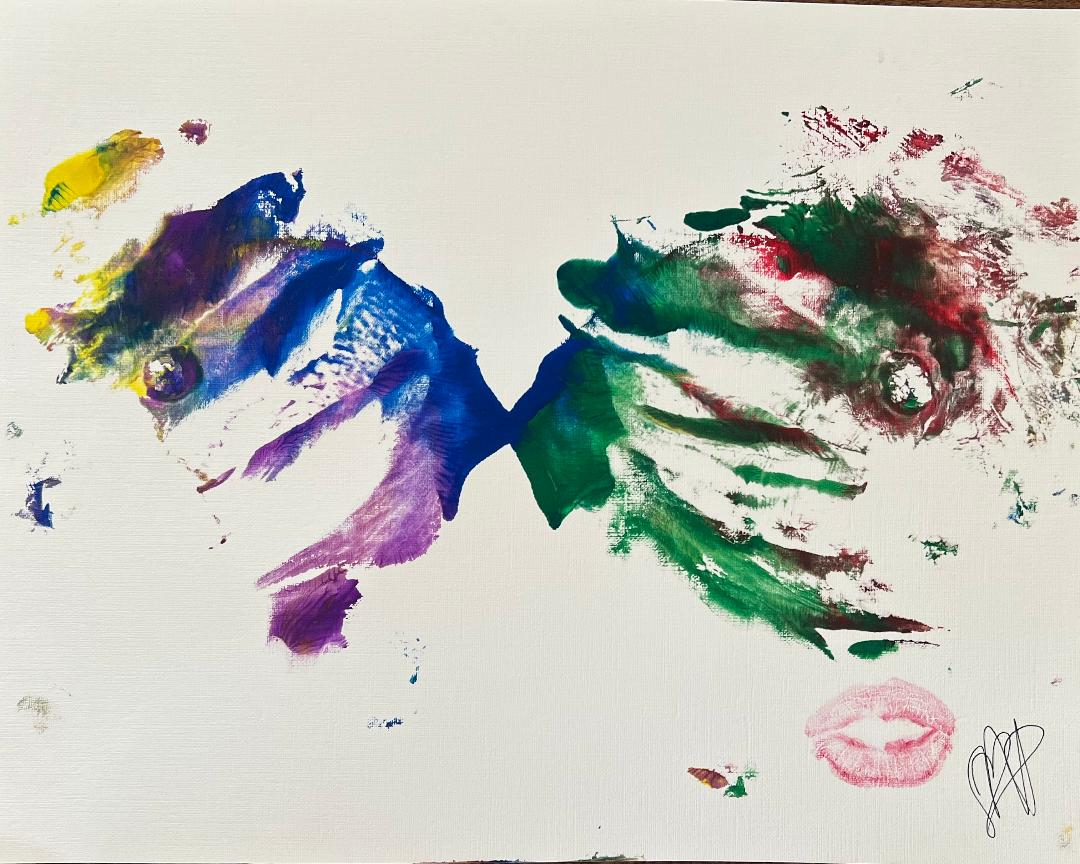
“Working under the pseudonym Luna Kai, I create body-based paintings that explore commodification, sexuality, labor, authorship, and the cultural valuation of both women and art. My submitted collection consists of ten 11 × 14-inch paintings on paper made using washable paint and the direct imprint of my own body: hands, feet, breasts, and rear, transforming the body from object into instruments. At first glance, the work appears playful, childlike, and reminiscent of finger painting. Yet beneath its bright palette and seemingly simple execution lies a deeper confrontation with the systems that assign value: to art, to labor, and to the female body. After more than two decades working in the entertainment industry as a writer, actress, and producer, I repeatedly encountered industries in which women’s bodies were treated as currency. Though offered opportunities tied to sexual compliance and physical commodification, I refused to use my body for advancement. This body of work emerges from that history. By finally employing my body as the medium, but only on my own terms, I reclaim agency over the very commodity I long refused to exploit.
The use of washable children’s paint symbolizes the fleeting nature of beauty, youth, desirability, and the temporary market value society places on physical appearance, contrasted against the permanence of imagination and creative spirit. By working in washable paint, the pieces remain materially delicate, demanding protection and preservation. In this way, the physical vulnerability of the artwork mirrors the vulnerability of the female body: desired, scrutinized, and perpetually subject to both admiration and harm. These works ask: If provocation, sexuality, novelty, or simplicity increase desirability, what does that reveal about our culture? Can a “simple” body print be valued as highly as technically masterful traditional painting? Where is the line between conceptual art, empowerment, commodification, and spectacle in an era where self-image itself has become monetized?
Through anonymity, bodily imprint, and performance, my work invites viewers to question not only what they consider art, but why”.