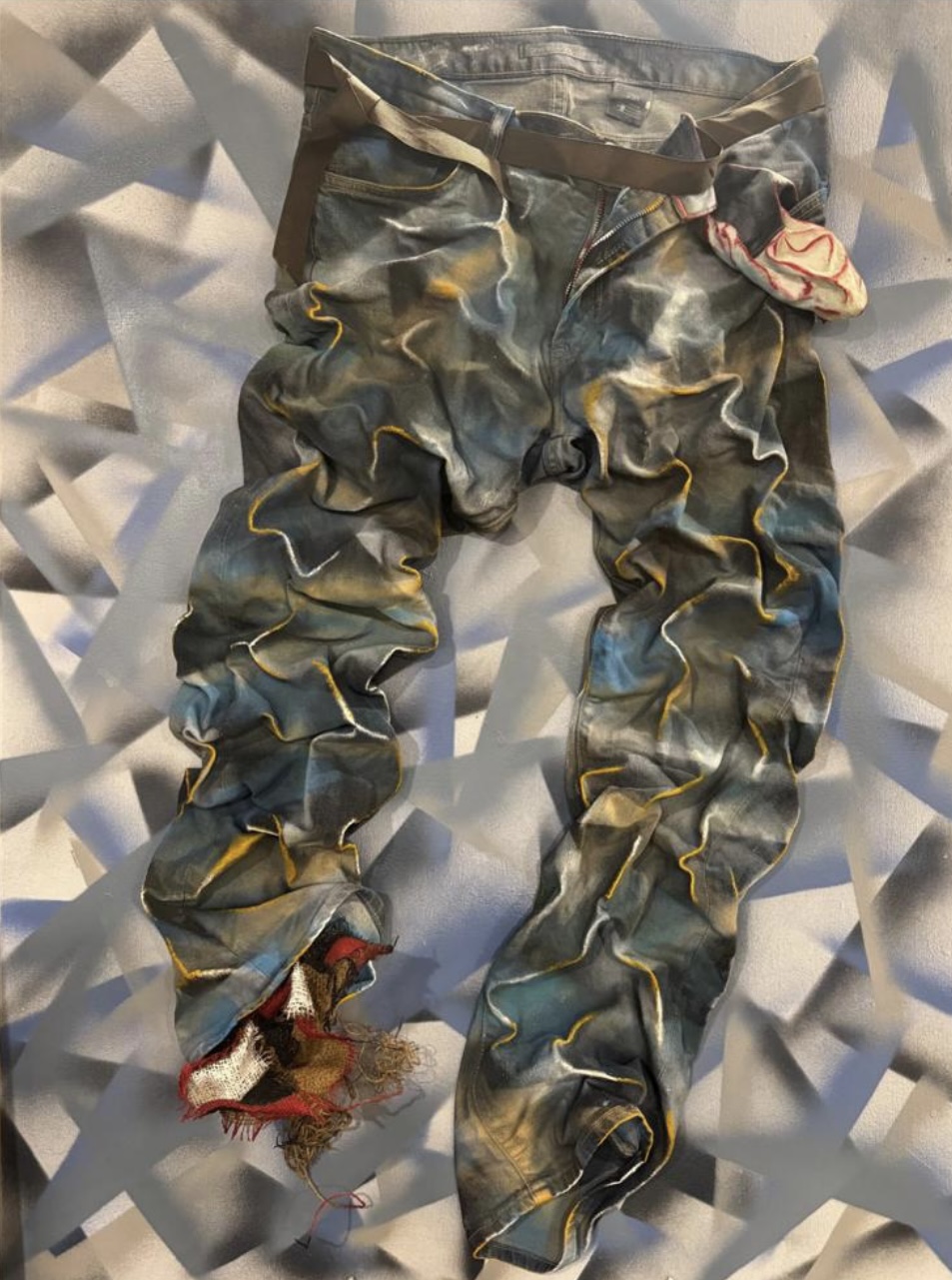
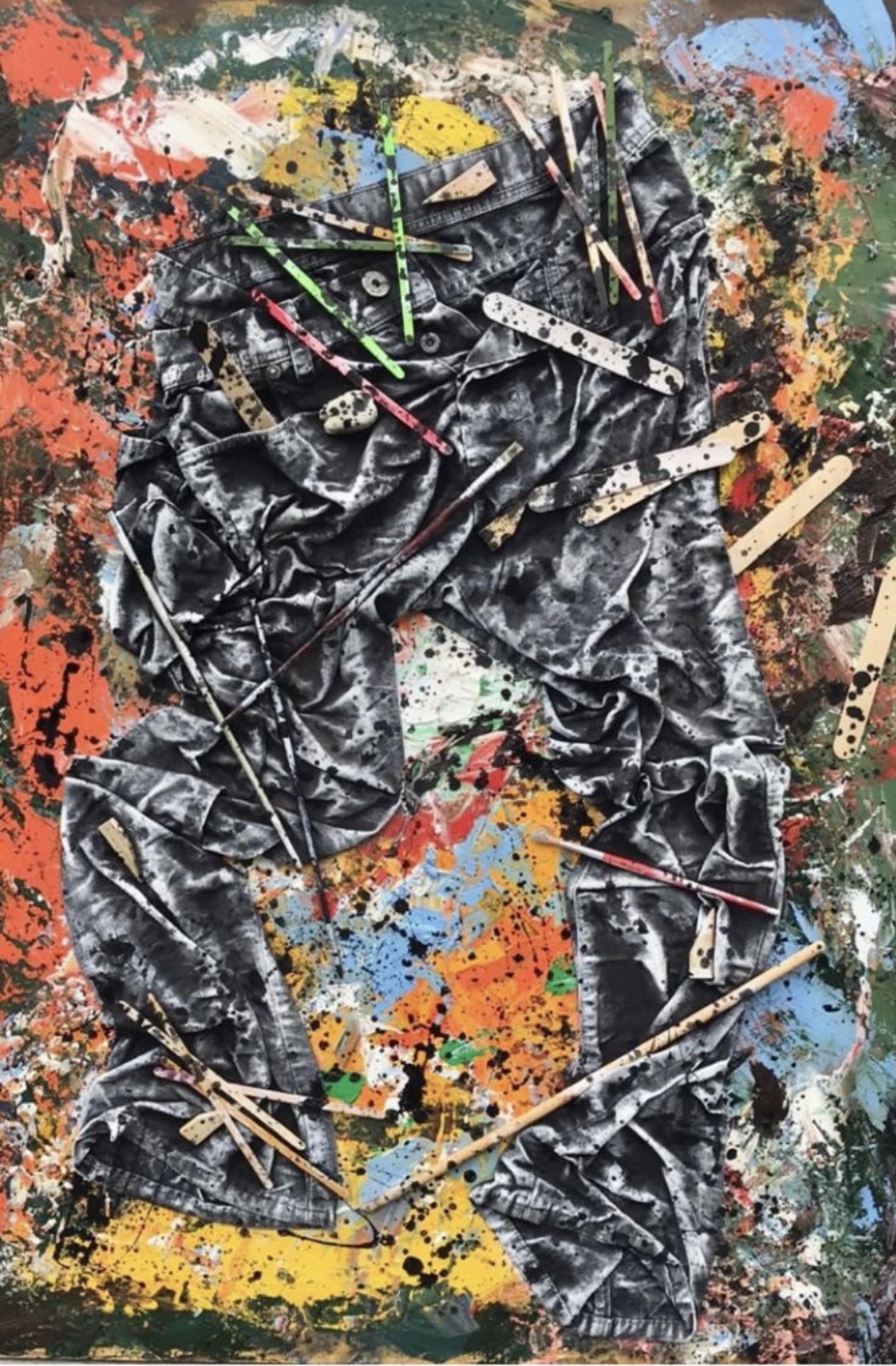
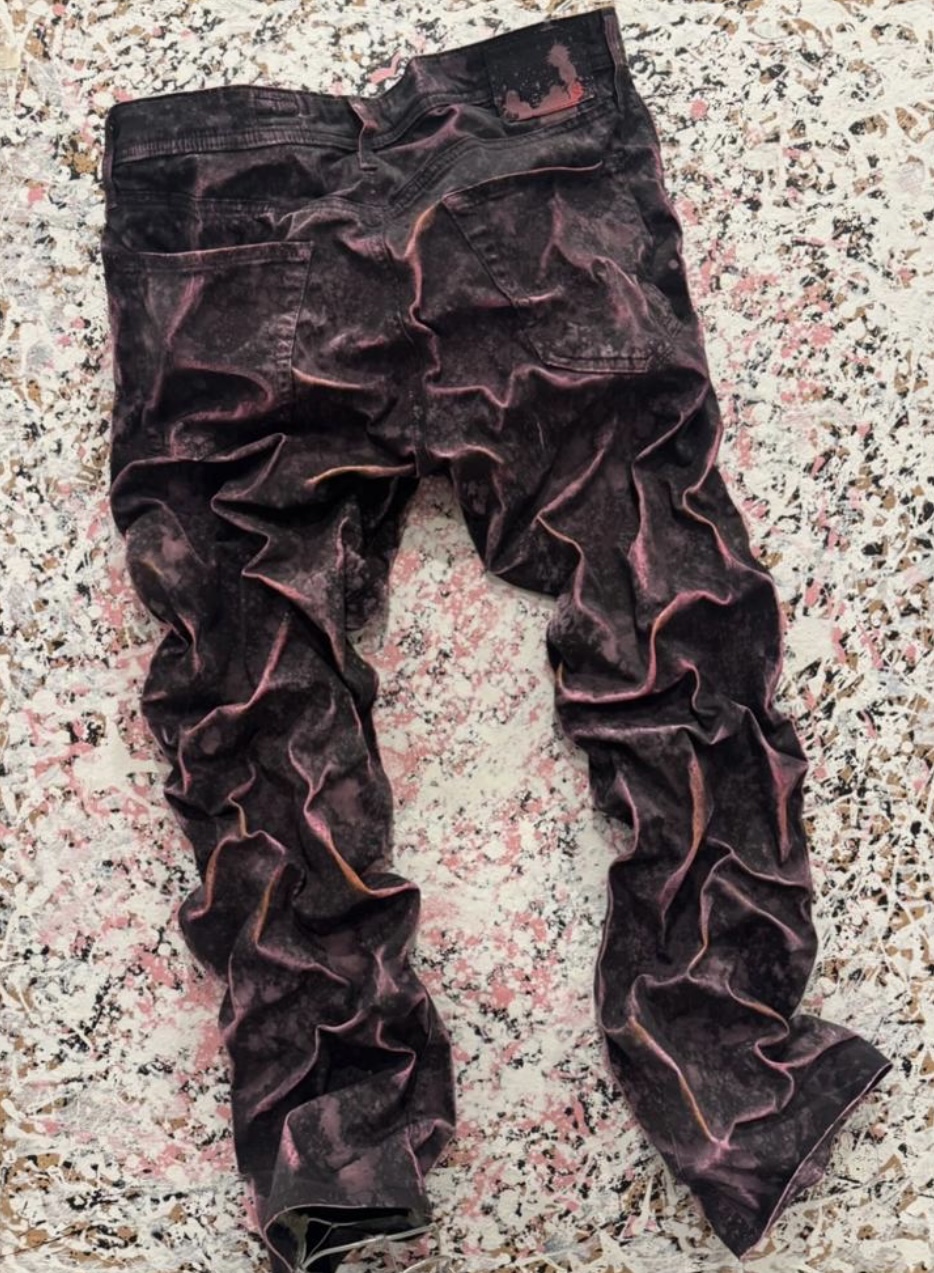
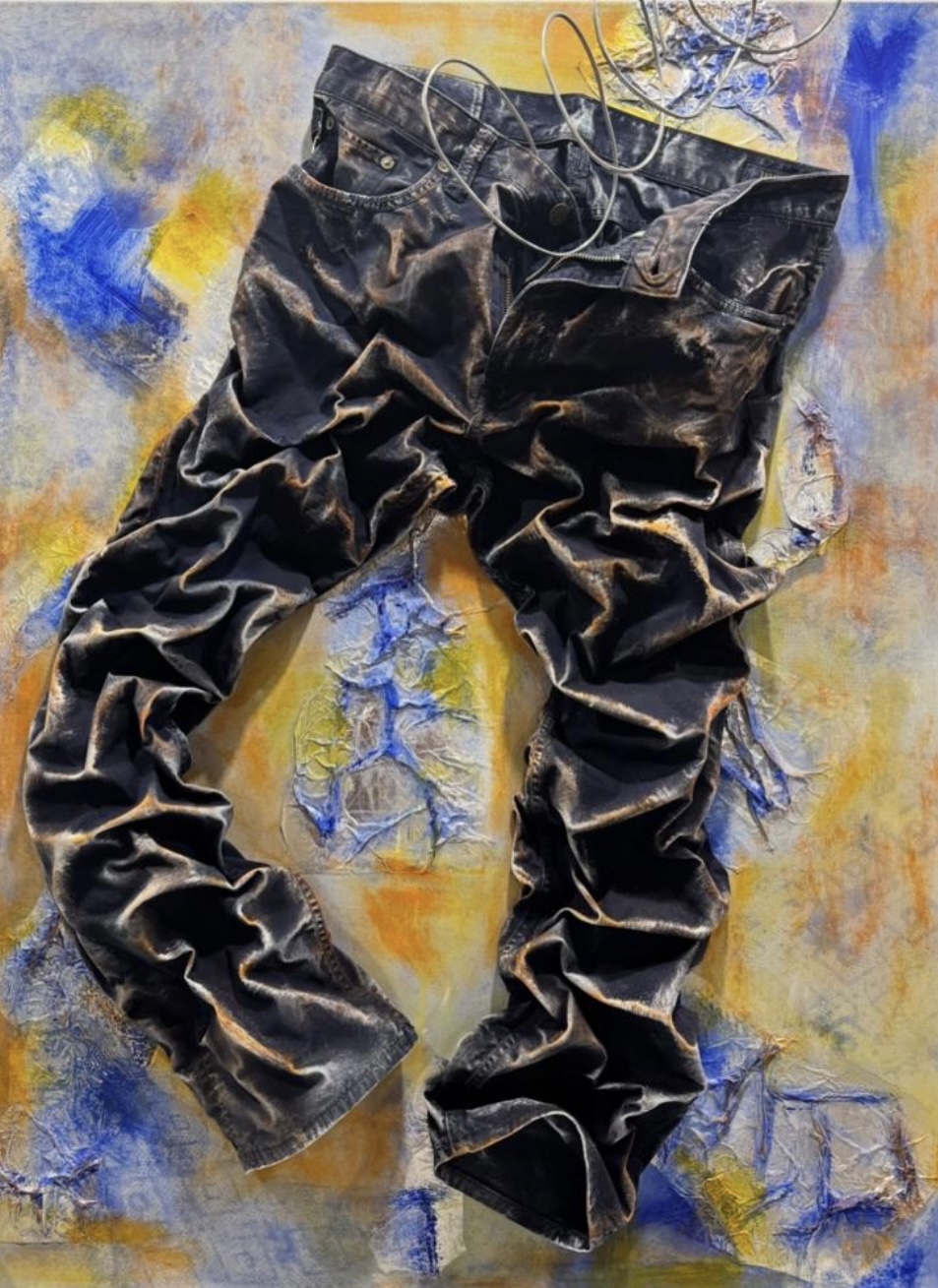
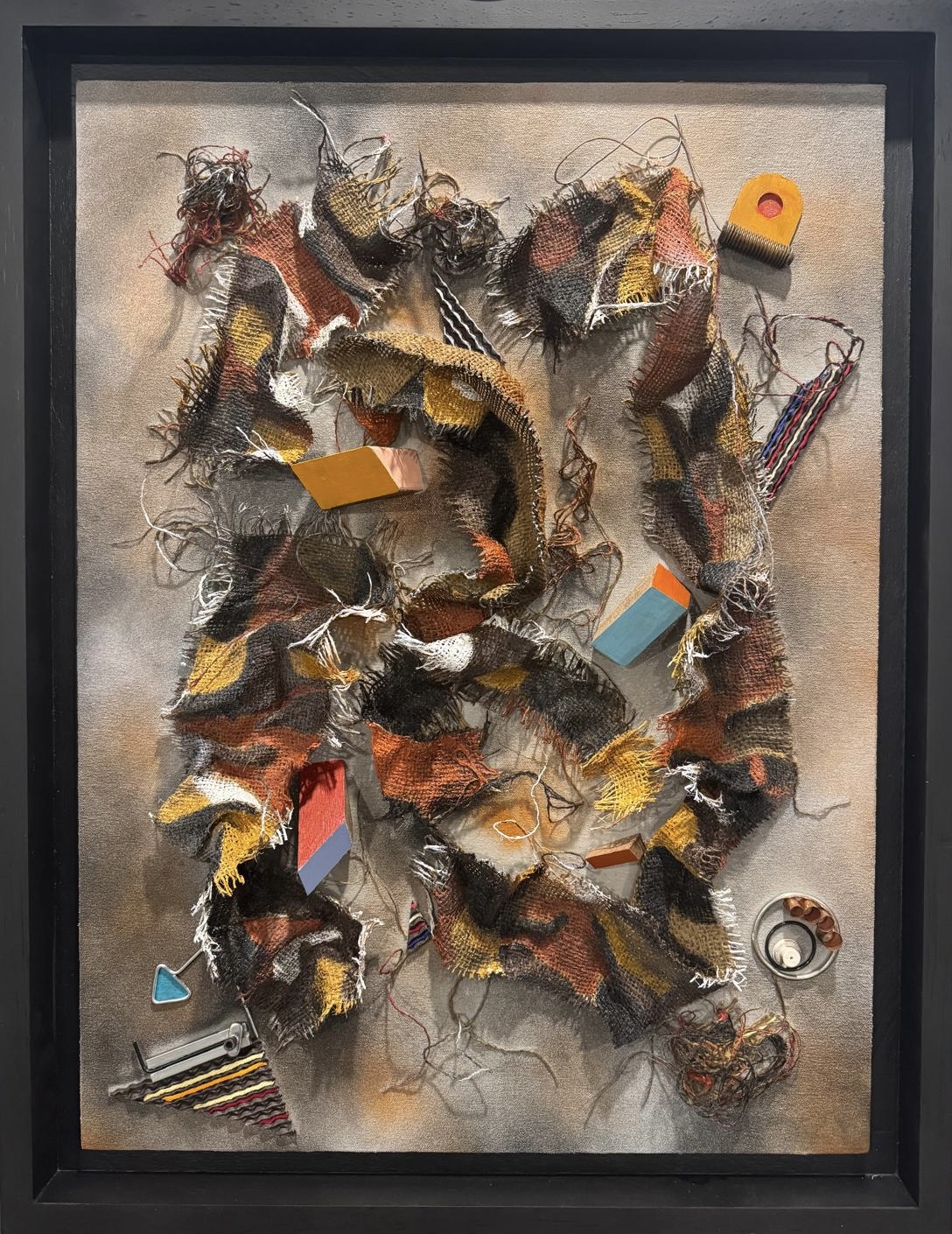
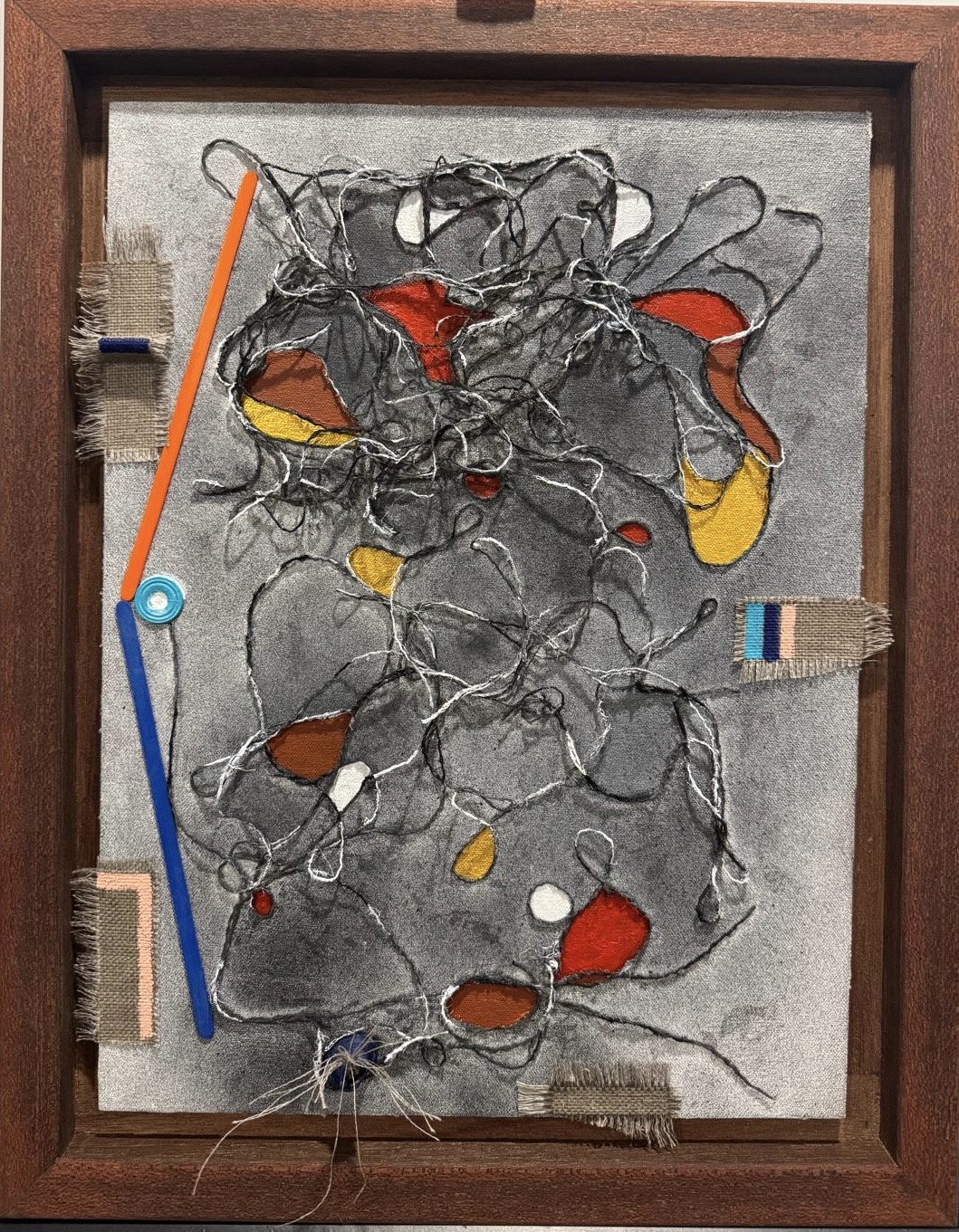
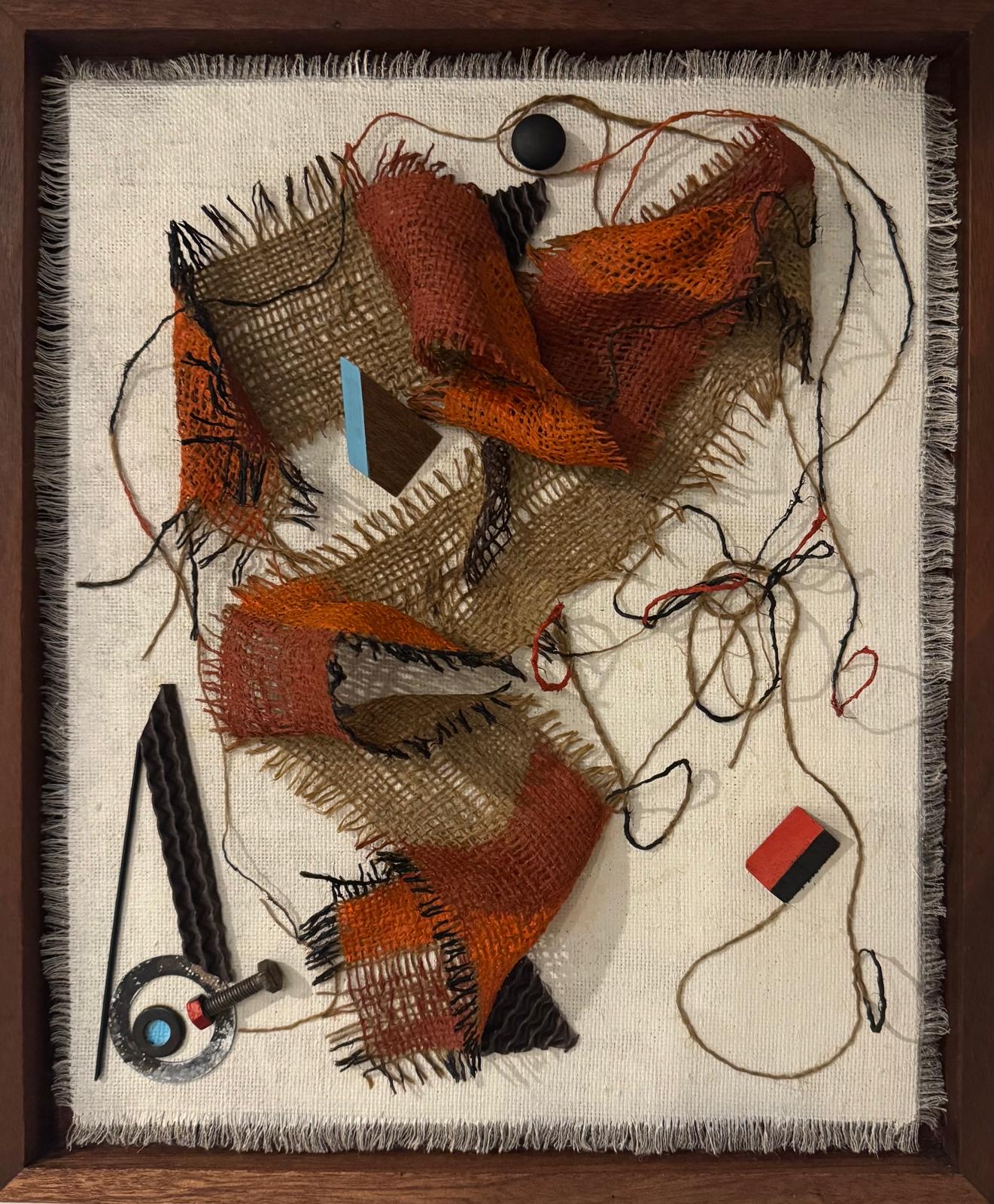
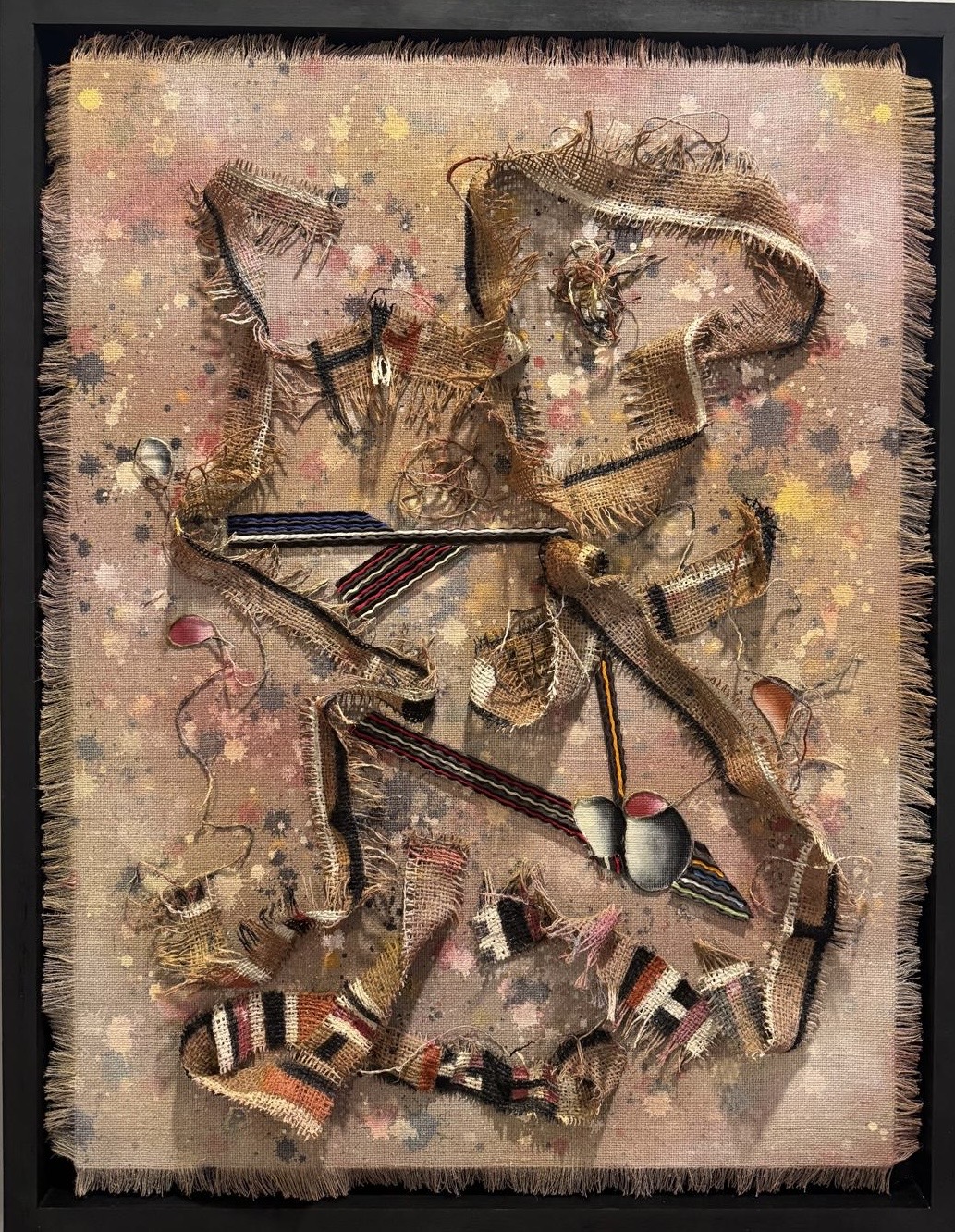
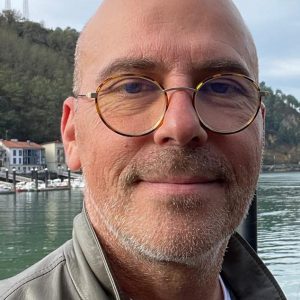
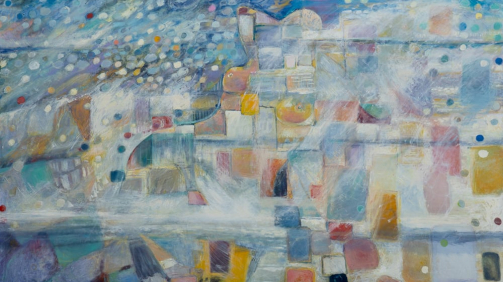
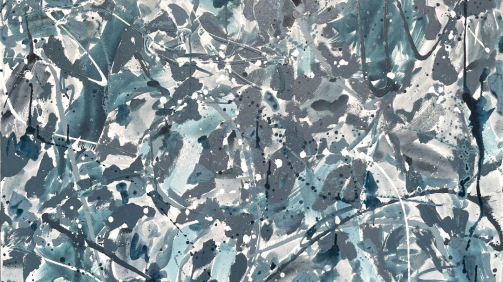
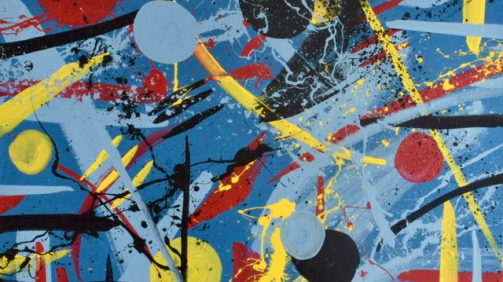
A second generation artist shaped by the creative legacy of his father, Vladimir Bukiya, Dmitry Bukiya works at the intersection of mixed media painting and Pop Art, drawing upon a deeply rooted emotional relationship with art that has defined his life since childhood. Trained at the Moscow Art School, where he graduated in 1984 with a specialization in goldsmithing, Bukiya developed a rigorous technical foundation and a sophisticated understanding of materials, a background that continues to inform the tactile richness of his practice. Bukiya’s work is distinguished by his transformation of reclaimed fabrics, ephemera and everyday materials into vivid Pop inflected compositions. Through the layering of paint, text, found objects and digital elements, he reframes the familiar, imbuing it with new emotional resonance. These materials; worn textiles, fragments of domestic life, objects marked by time become carriers of memory. In Bukiya’s hands, they evoke nostalgia, personal history and the quiet persistence of human experience. Central to his artistic inquiry is a meditation on the human condition and the passage of time. His multilayered surfaces explore themes of memory, loss, renewal, and identity, forging a dialogue between past and present. Each work functions as both archive and reinvention, inviting viewers to consider their own narratives reflected within the textures and forms before them. While his approach is informed by the monumental artistic vision of his father, Bukiya’s process is distinctly his own, deliberate yet intuitive, guided by the evolving interplay of image, material and emotion. A single idea or fragment often becomes the point of departure for a composition that unfolds through experimentation, chance and sensitivity to the inherent character of his materials. Bukiya’s oeuvre ultimately seeks to foster connection. Through color, texture, and the beauty of imperfection, his works speak to shared human experiences, resilience, transformation and belonging. Rooted in personal memory yet expansive in meaning, they create space for reflection, dialogue and the recognition of common stories carried across time.