Biography:
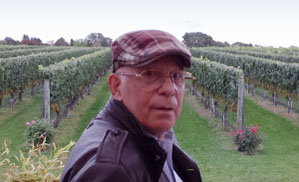
Born in Tbilisi in 1941, Vladimir Bukiya belongs to the postwar generation of artists whose work bridges the Soviet monumental tradition and a deeply personal artistic inquiry. A graduate of the Tbilisi Academy of Arts in 1966, where he specialized in painting, Bukiya began his career as an educator in Ashgabat before relocating to Moscow. Though his professional life would take him across the Soviet cultural sphere, he maintained a lasting, vital connection to his Georgian heritage. For the past nine years, he has lived and worked in New York, expanding the geography of his practice once again.
In Moscow, Bukiya joined the Union of Artists within the monumental art division and worked at the Applied Arts Combine, contributing to one of the most dynamic periods of public art production in the late Soviet era. His hand can be traced across an extensive range of civic and cultural spaces, among them the Palace of Youth on Lenin Hills, the House of Georgia on Old Arbat, the celebrated Aragvi restaurant, the Institute of Space Research and the “Seasons” restaurant in Gorky Park. These commissions reveal an artist capable of uniting narrative, craftsmanship and architectural scale.
In the 1990s, Bukiya turned his attention to heraldry, creating coats of arms for the Korean
Embassy in Moscow, various municipal prefectures and the State Duma. This shift
demonstrated both his versatility and his command of symbolic language.
One of his most ambitious achievements came in 1991 with the creation of an 18 meter enamel panel for the balneological sanatorium in Gagra. Depicting the myth of the Golden Fleece, the work required the invention of an entirely new technique to realize its monumental surface. The panel survives intact today. It was nominated for the Lenin Prize-an important recognition that was ultimately interrupted by the turmoil of the era.
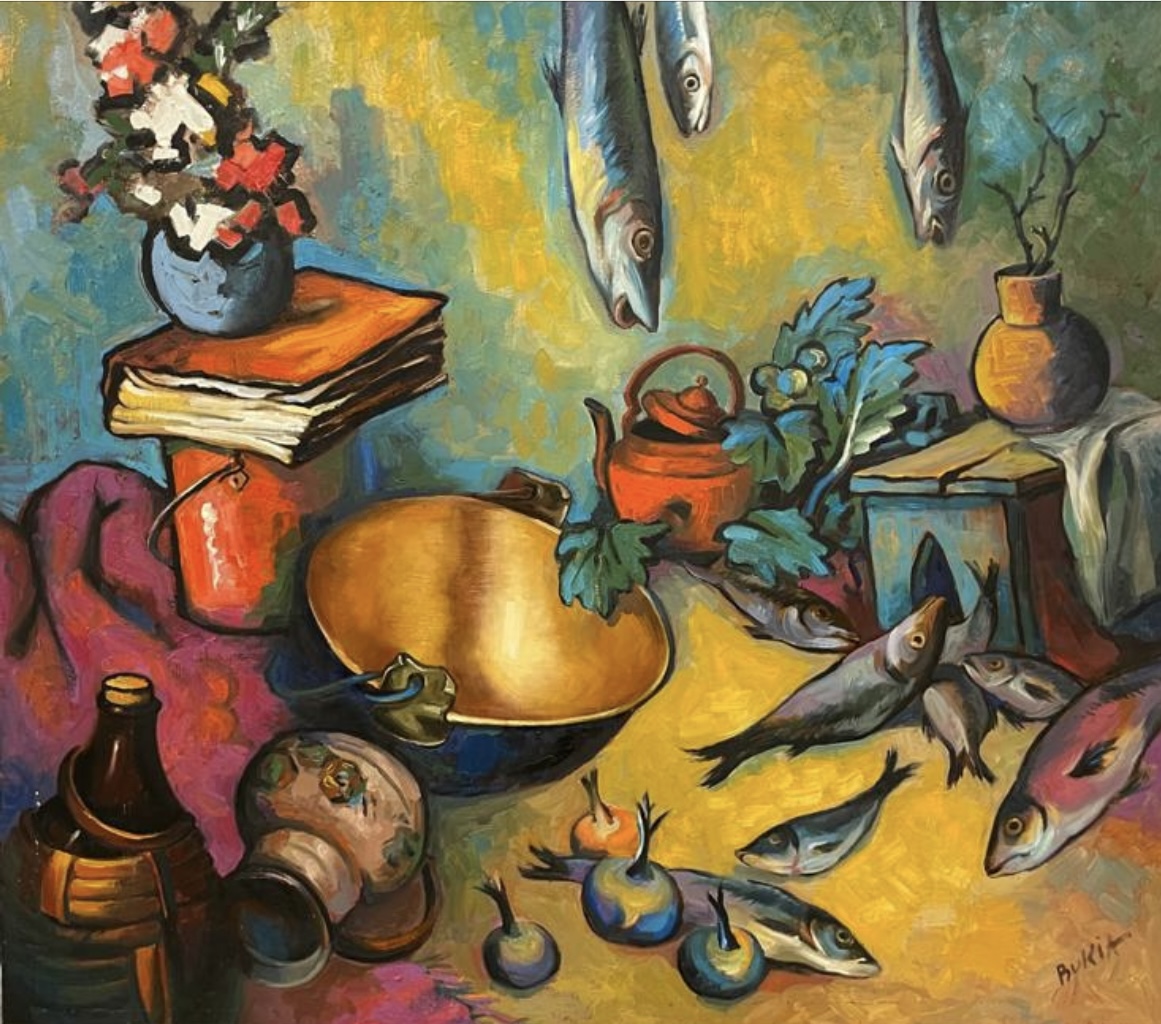
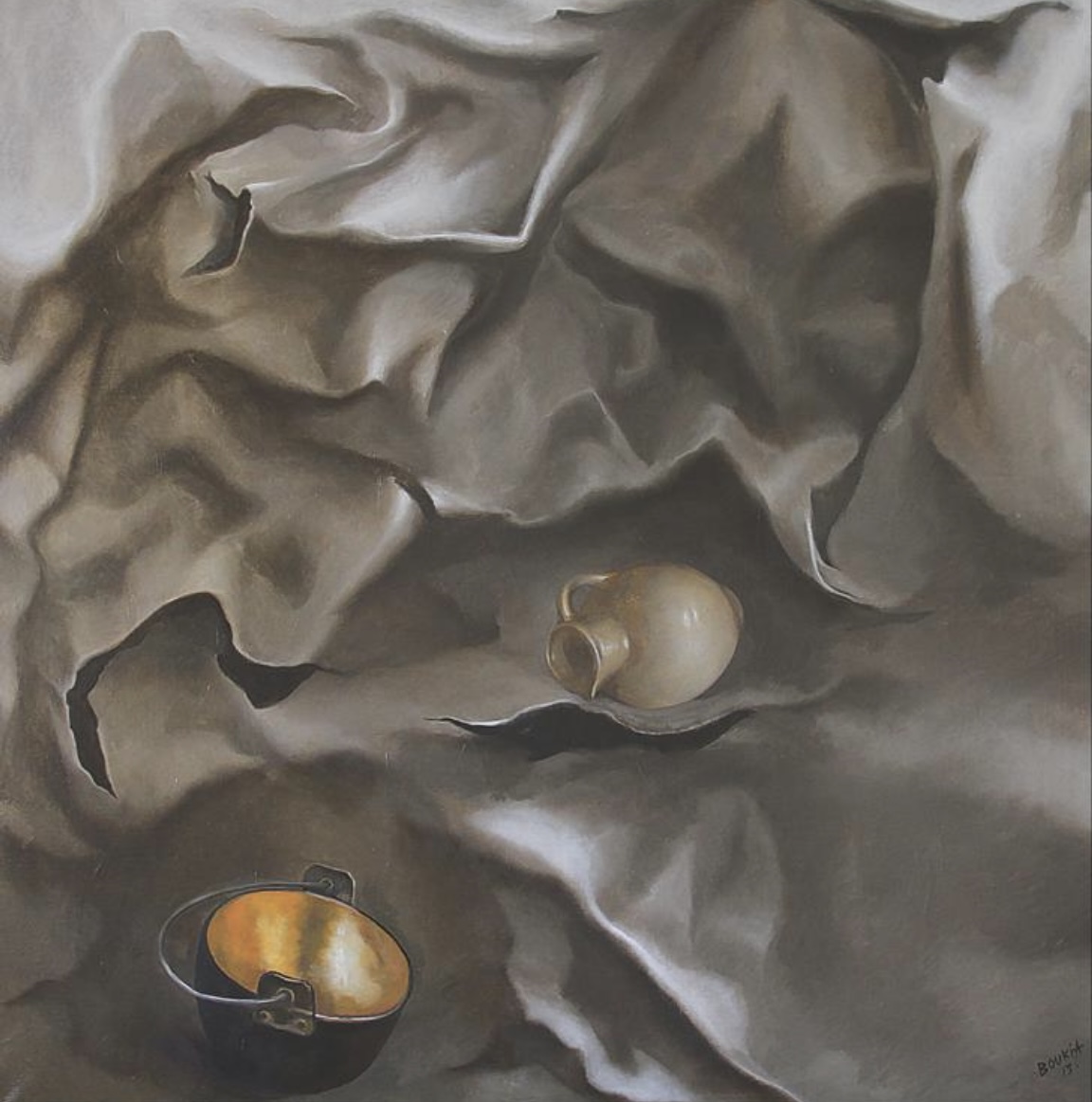
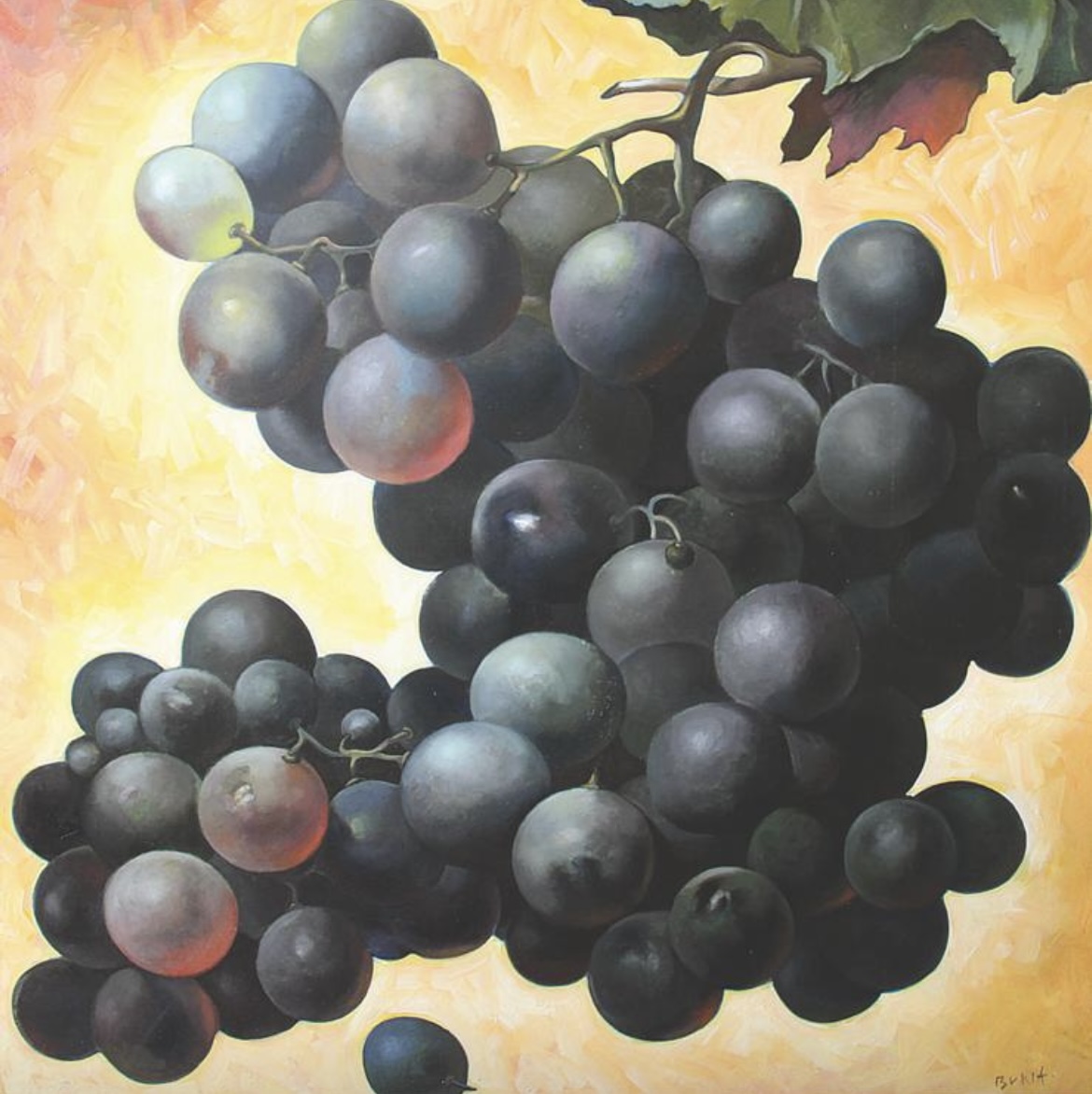
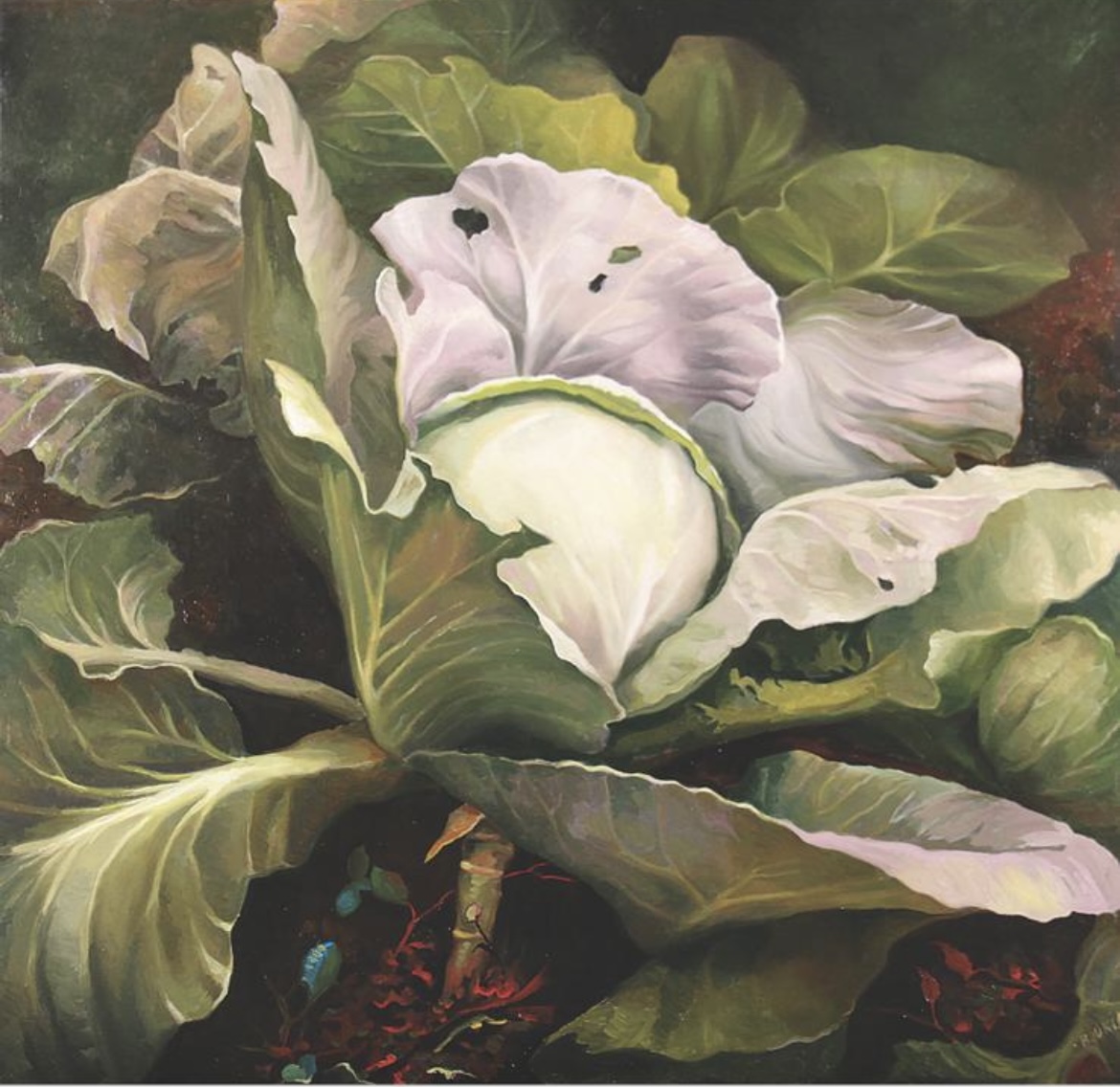
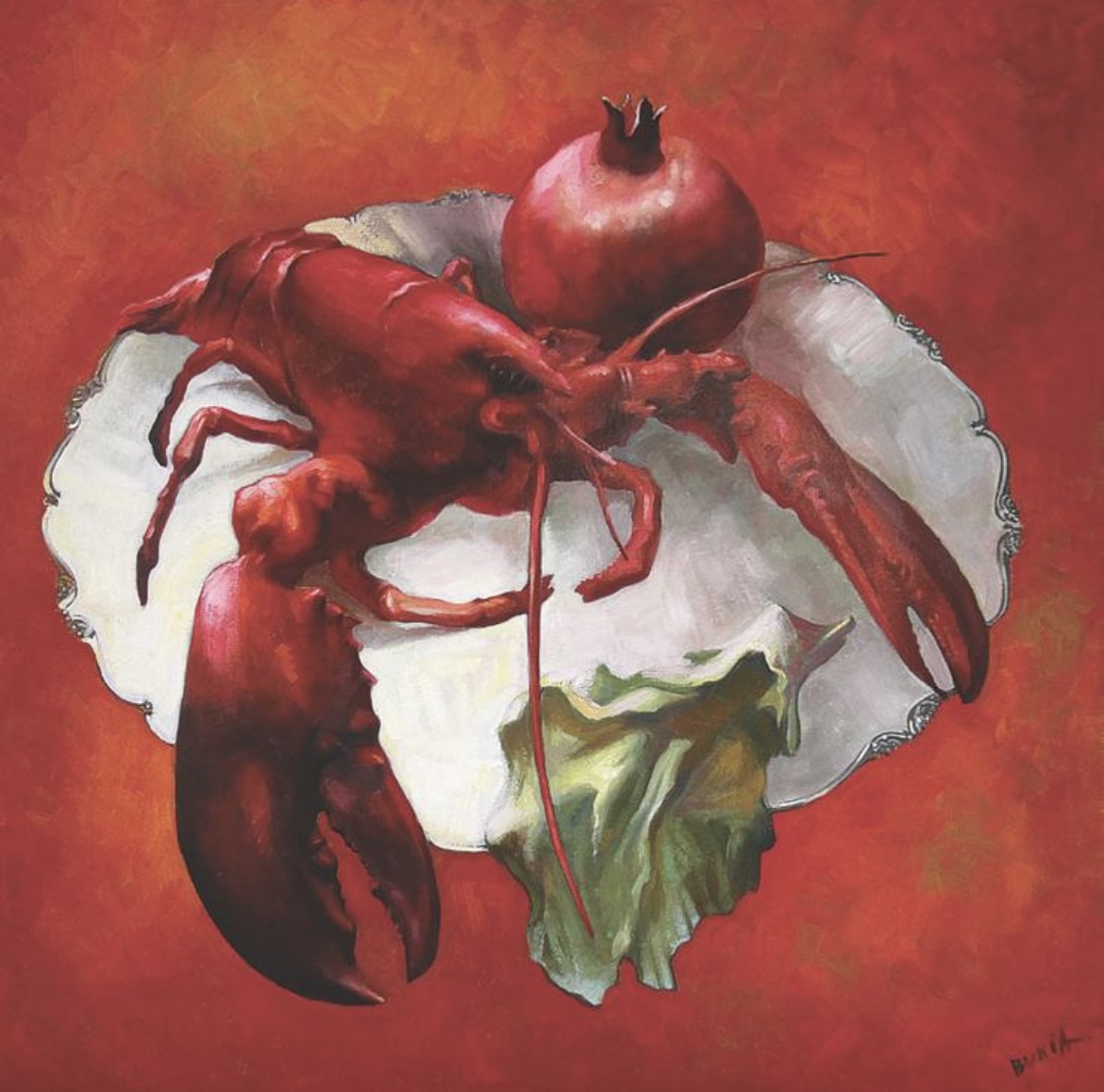
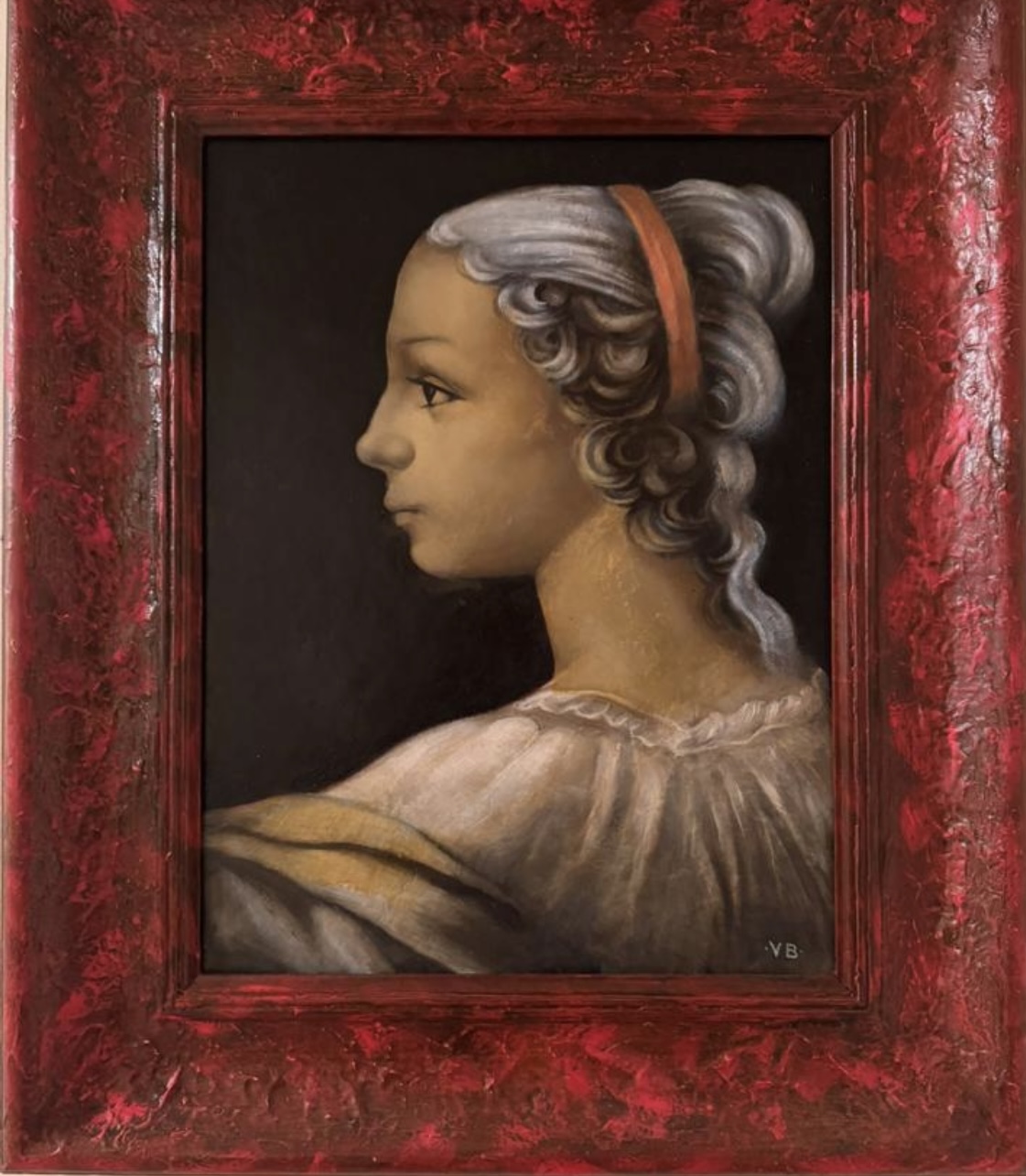
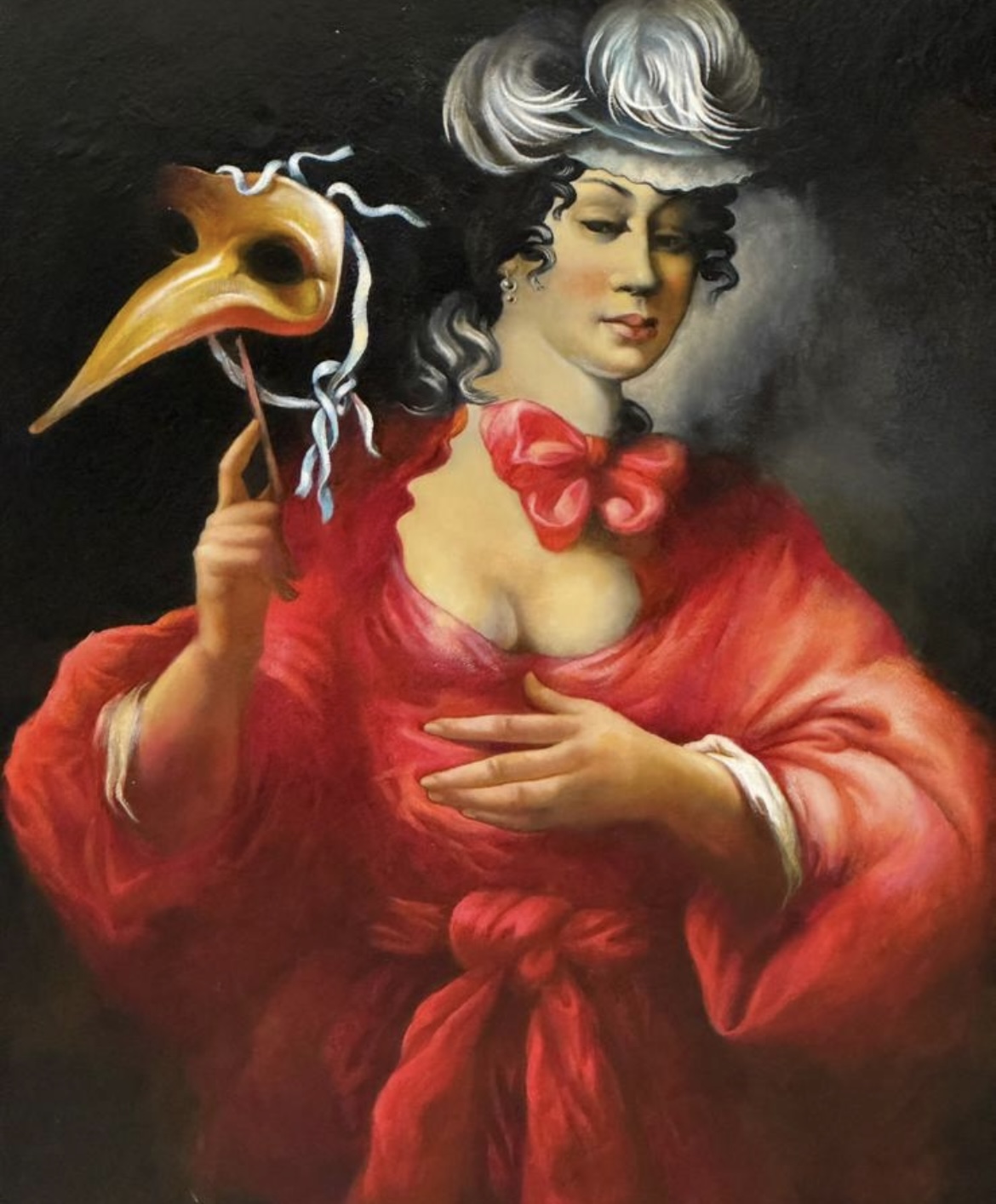
Parallel to these official commissions, Bukiya pursued a tireless and exploratory studio practice. His investigations spanned enameling, jewelry, metalwork, tapestry, sculpture, mosaic, glass, fresco, painting and graphic art. He approached each medium with what colleagues often described as boundless curiosity. A dedicated teacher, he imparted this spirit to younger generations as well.
Elected a Corresponding Member of the Russian Academy of Arts in 2016, Bukiya was praised by the Academy as a “curious” and “passionate” artist, an assessment fully aligned with his lifelong pursuit of new materials, methods and visual languages. Deeply self critical and driven by a desire to reach beyond his own achievements, he revered the Renaissance masters like Leonardo, Michelangelo and engaged in ceaseless technical experimentation. The studio was his true home; he often worked for days without pause, absorbed entirely in the act of making.
Today, Bukiya’s works reside in museum collections across Europe, including the Art Olympic Games Museum in Switzerland and the Museum of Contemporary Art in Moscow, as well as the State Museum of Art of Georgia in Tbilisi. His work is also widely represented in private collections throughout the United States, Europe, Georgia, Kazakhstan and the Robert
Rothschild Foundation.